The Myth of Big Data for South African AI in 2026
You've heard the talk: "AI needs big data." It's a common refrain, often delivered with a knowing nod during presentations about digital transformation. The implication is that if your South African business doesn't have petabytes of information, you're out of the AI race before you've even started. It's a compelling narrative, but it's largely a distraction.
For many South African organisations, the pursuit of "big data" is a costly detour. It leads to stalled projects, wasted budgets, and a growing cynicism about what AI can actually deliver. We've seen it play out too many times. The truth is, your AI strategy doesn't need a data lake the size of the Vaal Dam; it needs clean, accessible data that you can actually use.

Photo by Brett Sayles on Pexels.
Myth: "You need 'big data' to do AI."
Reality: Most businesses, especially in South Africa, don't need "big data" to start seeing value from AI. What they need is right data. This means data that is relevant, clean, and accessible. Africa as a continent generates and retains only a fraction of global digital information, which means chasing global "big data" benchmarks can be misleading for local contexts (t20southafrica.org). Focus on making the data you already have usable, not just voluminous.
Myth: "More data automatically leads to better AI."
Reality: Quantity without quality is a liability. Gartner reports that poor data quality is a primary factor in 85% of AI project failures. Throwing more messy, inconsistent data at an AI model won't make it smarter; it'll make it confidently wrong. The effort spent on cleaning and structuring existing data often yields far greater returns than the effort spent acquiring more raw, unfiltered information.
Myth: "AI is a separate department that handles all the data."
Reality: AI isn't a silo; it's a toolset for your existing business strategy, executed better. This means your data strategy for AI should be integrated into your overall data governance and operational processes. Fewer than 35% of South African enterprises have successfully identified how AI can unlock value from their own data (iol.co.za), often because they treat AI as a standalone initiative rather than an enhancement to core functions.
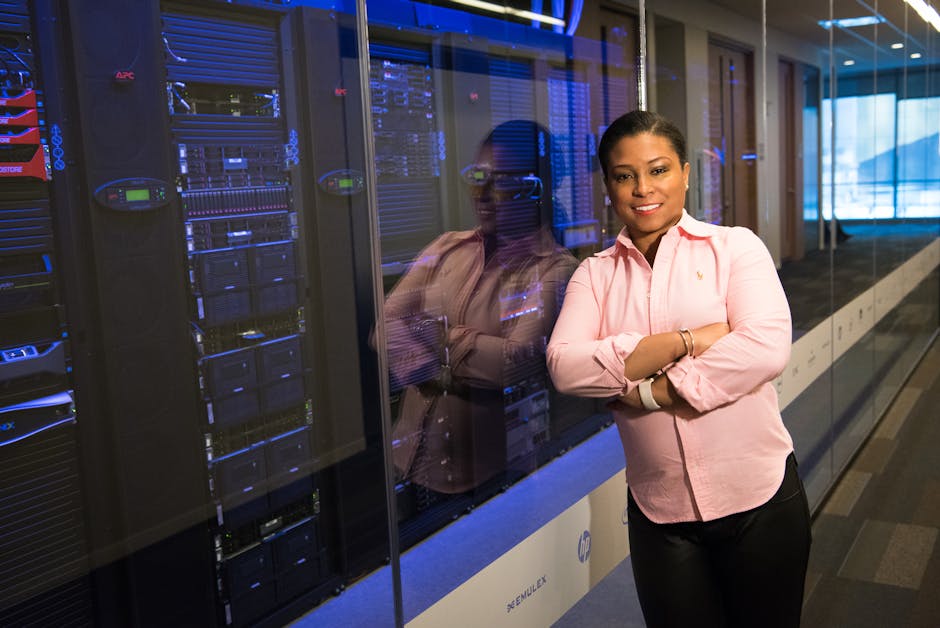
Photo by Christina Morillo on Pexels.
Myth: "POPIA is an obstacle to AI data collection."
Reality: POPIA isn't an obstacle; it's a design constraint that forces better systems. Building AI solutions with POPIA compliance in mind from day one ensures that your data processes are robust, auditable, and trustworthy. In South Africa, this isn't just a legal requirement; it's a differentiator. Our approach is POPIA-compliant by design, ensuring trust and efficiency.
The real data moat isn't big data — it's clean, accessible data.
This is our core belief. We've seen it demonstrated across 50+ projects delivered for clients like Hepstar and Glydepay. The competitive edge doesn't come from having the most data, but from having the most usable data. When your data is clean, structured, and accessible, your AI models, whether they're powered by Claude, Gemini, or OpenAI, can deliver real insights and automation.
We don't build large language models; we build small, smart workflows that use them well. This often means first building the data pipeline to ensure the models are fed reliable information. Skip that step, and even the best AI agent just hallucinates confidently on bad data. This is why our data engineering services are foundational to our AI automation work.
What this actually means for your business
- Prioritise data quality over quantity: Invest in cleaning and structuring your existing data.
- Start small, prove value: Focus on practical, small-scale AI use cases that leverage your current data.
- Integrate POPIA from the start: Build compliance into your data strategy, don't bolt it on later.
- Focus on pipelines, not just presentations: A working pipeline, even a simple one, is worth more than any "AI strategy" deck.
Frequently asked questions
Do I need a massive data lake to start with AI in South Africa?
No, you don't. The focus should be on having clean, relevant, and accessible data, even if it's from existing operational systems. Many successful AI projects start with smaller, well-structured datasets.
How does POPIA affect my data strategy for AI?
POPIA is a critical design constraint. It mandates careful consideration of data residency, consent, and processing. Building POPIA-compliant systems from the start ensures your AI initiatives are trustworthy and auditable.
What's the biggest challenge for AI adoption in South Africa?
Beyond the digital divide, a significant challenge is poor data quality. Many South African businesses struggle to identify how AI can unlock value from their own data, often due to messy or inaccessible information.
Can small and medium-sized businesses (SMEs) benefit from AI without big data?
Absolutely. Successful AI implementation for SMEs often focuses on practical, small-scale use cases, leveraging existing data for tasks like profit analysis or compliance, rather than requiring extensive "big data" infrastructure (kasiaihub.com).
What does "clean, accessible data" actually mean?
It means data that is accurate, consistent, complete, and easily retrievable for analysis and processing. It's about data you can trust and use effectively, regardless of its volume.
Where should a South African business start with AI if they don't have "big data"?
Start by identifying a specific business problem that can be solved with existing, clean data. Focus on a clear outcome, build a working pipeline, and prove value on a small scale before expanding.
Ready to build on clean data, not big data?
Stop chasing the myth of big data and start building real value with the data you have. Our team specialises in data engineering that prepares your information for effective AI automation. Let's discuss how to turn your existing data into a strategic asset.
Get started with a Free AI Assessment.
New to data engineering? Start with our data engineering guide.