5 Costly Data Engineering Mistakes South African Businesses Make in 2026
Many South African businesses are sitting on a goldmine of information, yet struggle to turn it into anything useful. They're drowning in data, but starved for insights. This isn't a problem with the data itself; it's often a problem with how that data is engineered. We've seen it across fintech, banking, logistics, and healthcare – the same costly data engineering mistakes surface repeatedly.
These aren't abstract issues; they directly impact your bottom line, stifle innovation, and can expose you to significant compliance risks. Here are five common pitfalls we see in 2026, and what you can do about them.
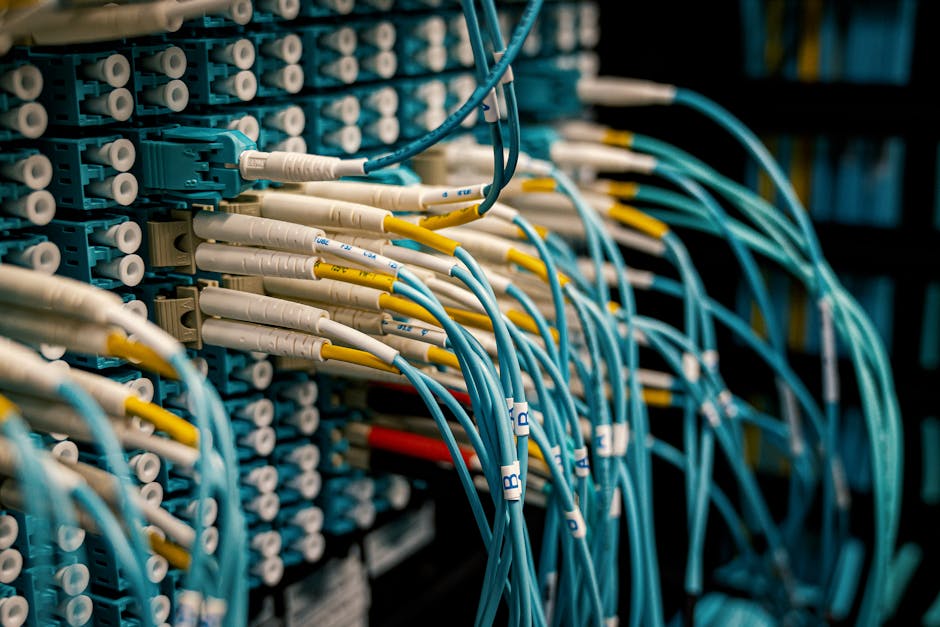
Photo by Brett Sayles on Pexels.
1. Building a "Data Swamp" Instead of a Strategic Asset
You've got data coming in from every direction: CRM, ERP, legacy systems, customer interactions. The impulse is often to just collect it all. But without a clear purpose and proper structure, this quickly becomes a "data swamp." It's messy, inconsistent, and ultimately unusable for any real insights. South African businesses are "drowning in data" but struggle to convert it into actionable insights, leading to fatigue and misguided decisions, even when the data itself is statistically sound but lacks real-world context.
The real data moat isn't big data — it's clean, accessible data. Messy data at scale is a liability, not an asset. Usable, structured data is the foundation for any automation, any AI agent, and any reliable business intelligence.
2. Ignoring POPIA Compliance Until It's Too Late
In South Africa, POPIA isn't just a legal footnote; it's a fundamental design constraint for any data system. Many companies treat it as an afterthought, leading to serious problems down the line. For instance, most South African companies using SAP are likely to fail a POPIA audit in 2026 due to issues like production data in non-production environments and inconsistent masking. The Information Regulator is adopting a more assertive, enforcement-driven approach this year, with increased investigations and a focus on sectors with large customer databases.
POPIA isn't an obstacle to automation — it's a design constraint that forces better systems. Compliance-by-design produces more robust, auditable, trustworthy processes. We build POPIA-compliant systems by design, not as an add-on. This means thinking about data masking, access controls, and retention policies from the very first line of code.
3. Overspending on Cloud with No Clear Strategy
Moving to the cloud promised flexibility and cost savings. For many South African businesses, it's delivered neither. Cloud adoption often outpaces a clear strategy, resulting in cost overruns, fragmented environments, and issues with governance and skills gaps. Overlooking the Total Cost of Ownership (TCO) during cloud migration can lead to unexpected expenses, including hidden costs like data transfer fees and underutilized resources.
We see businesses paying for resources they don't need, data egress fees they didn't anticipate, and fragmented environments that are harder to secure and manage than their on-premise predecessors. A cloud strategy isn't just about moving servers; it's about optimising your entire data workflow for the cloud environment.

Photo by Brett Sayles on Pexels.
4. Accumulating Technical Debt That Stifles Growth
Technical debt, the cost of choosing quick fixes over proper solutions, is a significant issue in South African tech. It leads to messy systems that are hard to change and consume engineering time on maintenance rather than business growth. As of August 2026, data engineers spend 53% of their time maintaining existing pipelines, increasing to 61% for organisations managing over 200 active pipelines.
This isn't just an IT problem; it's a business problem. Every hour spent patching a fragile pipeline is an hour not spent building a new feature, optimising a process, or generating a new insight. We believe in building the data pipeline first. Skip it, and even the best AI agent just hallucinates confidently on bad data. Our team has delivered 50+ projects, focusing on building resilient, maintainable data systems from the start.
5. Treating Data Strategy as a Technical Problem
Finally, one of the biggest mistakes is seeing data engineering as purely a technical concern. Organisational challenges, such as a lack of leadership direction, unclear requirements, and improper ownership, are cited as bigger bottlenecks than technical issues or compute costs in data organisations as of February 2026. Many South African Small and Medium Enterprises (SMEs) also lack data governance expertise and AI literacy, leading to fragmented and reactive data practices.
Your "AI strategy" is just your business strategy, better executed. AI isn't a separate department; it's a toolset for existing goals. An effective data strategy starts with understanding your business objectives, then designing data pipelines that deliver the specific insights and automations needed to achieve them. It's about aligning data with decisions, not just collecting it.
Frequently asked questions
What is the most common data engineering mistake in South Africa?
One of the most common mistakes is treating data as a byproduct rather than a strategic asset. This leads to fragmented, messy data that is unusable for insights, turning potential value into a costly 'data swamp'.
How does POPIA impact data engineering in South Africa?
POPIA is a critical design constraint. Failing to build compliance into data systems from the start – especially around data masking, access controls, and data retention – can lead to significant fines and reputational damage. It’s not an afterthought; it’s foundational.
Why are South African businesses overspending on cloud services?
Many businesses adopt cloud without a clear strategy, leading to fragmented environments, underutilised resources, and unexpected costs like data transfer fees. The focus often shifts from value to simply 'being in the cloud'.
What is technical debt in data engineering?
Technical debt in data engineering refers to the cost of choosing quick fixes over proper, scalable solutions. This results in messy, hard-to-change systems that consume valuable engineering time on maintenance instead of growth, with data engineers spending over half their time on this by 2026.
How can I avoid these data engineering mistakes?
Start with a clear data strategy tied to business outcomes, build POPIA compliance by design, meticulously plan cloud migrations with TCO in mind, and prioritise clean, accessible data over simply accumulating more. A small, working pipeline beats a grand, stalled strategy every time.
Where can I get help with my data engineering challenges?
If you’re facing these challenges, a good first step is a Free AI Assessment. We can help you identify specific pain points and map out a practical, proof-led approach to building data pipelines that deliver real value.
Stop Drowning in Data. Start Building Value.
These mistakes are common, but they're not inevitable. We help South African businesses turn their data into a strategic asset, not a liability. If you're tired of data swamps, unexpected cloud bills, or pipelines that constantly break, it's time for a different approach.
Ready to build data pipelines that actually work? Talk to us about your challenges.
Get your Free AI Assessment today.
New to data engineering? Start with our data engineering guide.